https://www.tridge.com/
use product intelligence,
use Market Insights
Products
Deep dive into “rice ” products. For each product, you will be able to discover its suppliers, keep track of its market prices, understand the product basics as well as learn how to import it through our product and market guides, explore more details for each of its specification, find out about its country-specific information such as production, export, import, and many more.
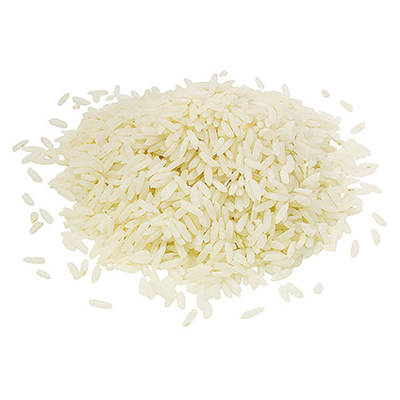

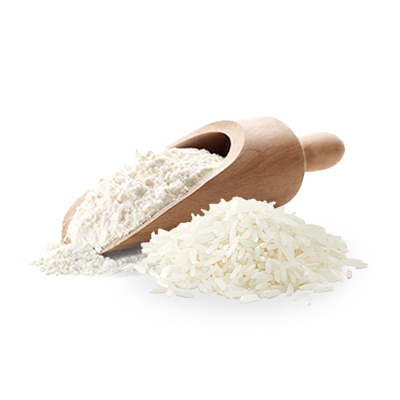
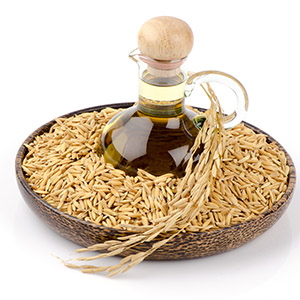

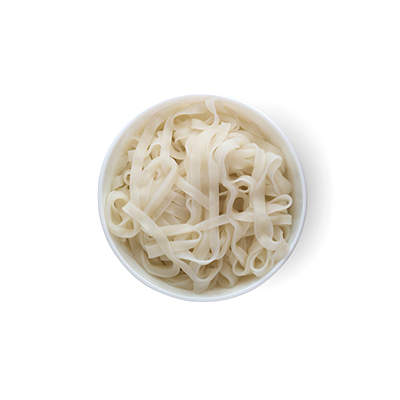
Product Specifications
Deep dive into “rice ” product specifications. For each product specification, you will be able to discover its suppliers, keep track of its market prices, understand the product basics as well as learn how to import it through our product guides, find out about its country-specific information such as production, export, import, and many more.
Product Guide
Understand various aspects of “rice ” products through our “rice ” product guides. These product guides contain essential knowledge about specific products to help you become more familiar with or knowledgeable about the prodycts. All information in these guides has been compiled and contributed by our global network of local experts.
What are the specifications of Rice? (Grades, Sizes, Colors, etc..)
General Information
Grades of rice are generally classified into 3 grade categories, as per Indian government notified standrds (also followed in other countries):
-Common variety – Rice grain measures less than 6mm length.
Ratio of length & thickness is <2.5
-Fine variety – Rice grain is < 6mm length,
Ratio of length & thickness is in b/w 2.5 to 3 or Rice rain length 4.5 mm with ratio of length & thickness as 2.0 to 2.5
-Superfine variety – Length of rice grain is <6mm
Ratio of length and thickness is <3.0
-Grades of rice are also based on % of full grain with %age of broken.
-Premium grade à 95% full grain.
-1st grade à 85% full grain.
-2nd grade à 75% full grain.
-3rd grade à 65% full grain.
USA rice grades of Rice:
– US no.1 – chalky kernels –> in long grain rice 1% and 2% in medium and short grain rice and colour –> white or creamy
– US no,2 – chalky kernels –> in long grain rice 2% and 4% in medium and short grain rice and colour –> slightly gray
– US no.3 – chalky kernels –> in long grain rice 4% and 6% in medium and short grain rice and colour –> light gray
– US no.4 – chalky kernels –> in long grain rice 6% and 8% in medium and short grain rice and colour –> gray or slightly rosy
– US no.5 – chalky kernels –> in long grain rice 10% and 10% in medium and short grain rice and colour –> dark gray or rosy
– US no.6 – chalky kernels –> in long grain rice 15% and 15% in medium and short grain rice and colour –> dark gray or rosy

What are the varieties of Rice?
General Information
There are many varieties of rice cultivated worldwide, Prominent varieties of rice:
– Indian rice:
– Basmati Rice –
White or golden (sella sub variety) in colour. Long length and medium length (7 mm to 8.35 mm), aromatic, non sticky and crispy rice variety.
Grown in Northern India ling Indo Gangetic plain
-Non basmati rice – long grain white rice, sticky rice, thick rice, IR 64 rice
Grown all around the country.
Cultivated mostly in July-March depending on seasonal trends in different parts of India
Thailand rice:
-Jasmine rice – Long grain, aromatic white or brown coloured rice, moist and soft in texture when cooked, with a slightly sweet flavour. It is grown in North Eastern Thailand
-Hom Mali rice – Has a distinct aroma like a pandalus plant, grown in lower northern plains in Thailand
Japanese Koshihikari Rice:
–white, polished short grain which is used in almost everything from sushi to chirashi bowls. It is more sticky than other varieties as it has a higher starch content. It is grown in all perfectures of Japan and is grown between April-May and October
Vietnam rice:
– Jasmine rice – one of the most exported and upcoming Asian rice, length 6.8 to 7.5 mm, white in colour and grown along the Mekong and Red river deltas
What is Rice?
General Information
– Rice, biologically known as Oryza Sativa, is a cereal which belongs to the grass family, Graminae. Rice plant can grow between 2 to 6 ft in length with long pointed leaves and edible seeds in separate stalks inside.
– Rice is thought to be originated in southern India and spread to northern parts of the country and from there to China, Korea, Philippines and whole of south east asia. It spread to Europe after being taken by European invaders to India and spread to Africa with Arab traders who took it from India.
– At present rice is grown from wetlands to dry area worldwide with many varieties being cultivated. Most common and widely traded and also used varieties come from India, China, Thailand, Vietnam, Indonesia, Philippines. Some rice varieties of South America, from Uruguay and Paraguay are also prevalent
– In many parts of India, the second largest producer after China, cultivation is still carried out manually and by using animals. Rice is increasingly cultivated through mechanised system now in China, India and other countries
– Almost all of South East Asia, many parts of northern and central Asia, Africa, and South America with some parts of Europe use rice as main source of daily foods and premiere food dishes. About 3 billion people depend on rice as staple food worldwide. 95% of rice is consumed by humans in some form or the other while rice is also used as animal feed production
Market Guides
Understand various aspects of “rice ” products in different markets through our “rice ” market guides. These market guides contain valuable knowledge about specific products from certain markets. Learn the market fundamentals as well as find useful information that can help you be more knowledgeable about importing the products from specific markets. All information in these guides has been compiled and contributed by our global network of local experts.
What are the unique competitive advantages of Myanmar [Burma] when it comes to Rice production?
General Information
-History
Based on archeological evidence, collection of wild rice and the first cultivation of domesticated rice was believed in the region of the Yangtze River valley in China. In the later 300 millennium BC, there was a rapid expansion of rice cultivation into mainland Southeast Asia (Myanmar, Thailand, Laos, Cambodia and Vietnam)(Ricepedia, 2019). Around 1,200 CE, The Pagan Empire of Myanmar was an inland rice-based culture, based on a rice-sufficient area in the dry zone on the banks of the Irrawaddy River that the two rice production areas were Minbu and Kyaukse (Falvey, 2008). Pagan’s success relied on its ability to produce rice.
-Geography
The largest rice-producing is the delta region including Ayeyawady, Bago and Yangon Divisions with almost 50% harvested rice. The ecosystem of Myanmar rice is classified as rained lowland rice, irrigated lowland rice, deepwater rice and upland rice (Denning et al., 2013). Rice accounts for the largest area of crops grown in Myanmar – about 7.6 million hectares (mha) or 34 percent of the total (multiple) cropped area of 22.7 mha in 2011/2012 (Ministry of Agriculture, 2016).
In addition, the availability of water resources and soil types influences a region’s agricultural potential. Delta areas of the Ayeyarwady, Sittaung, and Chindwin rivers naturally become major rice-growing regions (Proximity Designs and Studio D Radiodurans, 2016). Ayeyarwady, Yangon and Bago Divisions, are naturally provided with fertile deltaic alluvial soil and abundant monsoon rainfall (Naing et al., 2008).
-Weather / Climate Conditions
In the southern Delta areas, major rice production area, it is warmer with monthly temperature from 24.1°C to 38.2°C in May, and monthly mean minimum temperatures from 2.3°C to 20.8°C in December (Naing et al., 2008).
The annual rainfall from 5,000 mm maximum in the delta regions while it goes the lowest to 600 mm in the central dry zone area and temperature goes up to 43 °C (Proximity Designs and Studio D Radiodurans, 2016).
-Work/labor resources
Rice is the most important food crop, providing important contributions to Myanmar GDP. 65.4% of the total population (estimated 52.2 million) is involved in the agricultural sector in Myanmar in 2015/16. Rice is cultivated on 7.2 million ha representing 34% of the total crop sown area in 2015/16. As rice production is highly labour intensive, the labor absorption rate is highest in the rice industry and nearly three-fourths of farm household income is derived from rice farming activities, especially in the major rice grown areas in Myanmar, delta regions (Myint, 2018).
-Government regulations on production, processing and exports
Since 1989, the State allowed private traders and joint-venture companies to engage in grain trade and export activities however, the government has maintained strict control over rice exports. The Myanmar Government involves the below activities to improve production and exports. (Young, Cramer and Wailes, 1998).
1) Extend new agricultural loans in addition to routine seasonal (cultivation) loans to growers of export crops, especially rice, pulses and beans, maize and oilseed;
2) Encourage imports of officially prioritized production inputs by giving exemption or reduction of import tariffs,
3) Conduct public workshops, seminars and lectures
4) Opening branches of the Myanmar Agricultural and Rural Development Bank (MARDI) servicing at the village level to encourage farmers to save and mobilize capital.
-Domestic or foreign investments
The MADB (The Myanmar Agricultural Development Bank) provides loans to rice farmers, more than 730 billion kyats (US$ 594 million). It also provides credit for rice farmers up to 150,000 kyat (US$115) for maximum 10 acres with an 8% interest rate. Farmers can also access credit from other sources i.e. cooperatives, the Myanmar Rice Federation and NGOs. The government also rents farm machinery to farmers for a nominal fee. The Department of Agriculture distributed 1,900 MT of paddy seed to famers in 2016/17 (Aung, 2018).

What are the production methods used in Myanmar [Burma] for producing Rice?
General Information
-There are nine intervention areas in the rice production cycle which is related to both the rainfed lowland and irrigated rice systems. (Denning et al., 2013).
1. Seed selection
Two keys components: choice of variety and quality of seed. The choice of variety is dependent on factors such as adaptation to the growing environment, eating/cooking preferences of the consumers, market preference/price, and cost of seed. Most of Myanmar’s rice farmers use their own seed from year to year. There is a national seed certification system in Myanmar. The Government advocates the use of high‐yielding certified seeds.
2. Land preparation
Traditionally plowed cattle or water buffalo can still be found at lowland rice filed. For most rice‐growing areas, two‐wheel tractors are very common to reduce the land preparation time and enable a short‐turnaround between crops. Four‐wheel tractors are less common, but are used where fields are large. Farmers can rent those from the Government.
3. Crop establishment
Rice is usually established through transplanting or direct wet seeding.
-Transplanting is for monsoon crop establishment, giving the rice plant a competitive advantage over weeds. rice seedlings grown in a nursery are pulled and transplanted into puddled and leveled fields 15 to 70 days after seeding. This operation can be done manually or using a machine.
-Wet seeding is more common for the summer rice crop because of the lower likelihood of submergence and related mortality of young seedlings. Wet seeding involves the sowing of pre‐germinated seeds onto a puddled soil. The seed may be broadcast by hand or less commonly using a seeder.
4. Water management
Myanmar has extensive water resources available for irrigated agriculture, including for rice farming. Surface water from the Ayeyarwady and Sittoung River Basins has been developed for rice irrigation over the past century.
5. Soil fertility management
The soil appear relatively fertile overall. Alluvial and swampy soils dominate in the delta region, while vertisols are more important in the irrigated rice lands in the dry zone. Nitrogen (N) fertilizer as urea is often applied during the dry season, while little phosphorus (P) or potassium (K) is used in either season.
6. Pest management
There are a large number of insects, around 29 species of insects and crabs that feed on rice in Myanmar. Since 2011, ecologically‐based approaches to pest management have been developed to Myanmar through a training workshop in 2011.
7. Harvesting and threshing
Generally, rice harvesting is done by farmer’s family or hired labour. Fully mechanization of harvesting in Myanmar is still not common, but will increase in the future. After harvesting, farmers usually stack their stalks un‐threshed on the paddy field bunds. Threshing is done traditionally through trampling by cattle.
8. Drying and storage
Farmers normally sun‐dry their grain on any available space, including on roads. International Rice Research Institute introduced a modified flat‐bed dryer using a rice husk furnace to Myanmar in 2007. Rice for consumption and sale is normally stored unhulled and seed is stored on‐farm in jute bags and traditional storage granaries, baskets, drums, and other containers.
9. Crop rotation
Aside from jute, there is little else that can be grown in low lying delta areas during the monsoon season. Rice is well suited to flooded fields, as long as the plants are not submerged for more than a few days. For more than 20 years, farmers have been strongly encouraged by the Government to intensify rice cropping through a summer rice crop.
– Additional information, according to Myanmar Agribusiness Public Corporation (MAPCO, 2017), they collaborate with farmers to obtain the stable supply of consistent quality paddy under Contract Farming Scheme which includes providing
(1) the right quality seed to farmers,
(2) the right technology and good agriculture practices,
(3) the right crop protection and agrochemical fertilizer and
(4) the required working capital for farmers.
-At the post harvest side, when the paddy gains arrives at the sites, they are properly cleaned and dried by using modernized grain drying technology.
-After cleaning and drying, the paddy grains are systematically stored in warehouses and grain silos to keep the right quality and grain moisture.
-The stored paddy grains are then milled and processed using SATAKE rice milling machines.
-Since MAPCO’s Rice is produced by using the better quality paddy, as well as by using the systematic and modern drying, cleaning, storage and milling technology, the quality and freshness are assured.
-MAPCO’s rice is packed and distributed to local and international market under the brand name of MJ Rice “Myanmar Product, Japan Standards”.
What are the related trade agreement clauses that affect export of Rice from Myanmar [Burma]?
General Information
-ASEAN Free Trade Area (AFTA)
ASEAN Free Trade Area (AFTA) was established on 1-1-1998 and agreed to eliminate (0%) the tariffs as the commitment time schedule.
-ASEAN-China Free Trade Area (ACFTA)
ASEAN-China Free Trade Area was established on 1-1-2004. Under this agreement, Myanmar will reduce tariff rates in the year of 2010,2015,2018,2020.
-ASEAN-Korea Free Trade Area (AKFTA)
ASEAN-Korea Free Trade Area was established on 24-8-2006. Under this agreement, Myanmar will reduce tariff rates in the year of 2008, 2009, 2012, 2015, 2018.
-ASEAN-Japan Free Trade Area (AJFTA)
ASEAN-Japan Free Trade Area was put into effect on 1-12-2008. Under this agreement, Myanmar will need to reduce tariff rates in the year of 2014, 2017, 2019, 2021, 2023, 2026.
-ASEAN-Australia-New Zealand Free Trade Area (AANZFTA)
ASEAN-Australia-New Zealand Free Trade Area was put into effect on 1-1-2010. Under this agreement, Myanmar will need to reduce tariff rates in the year of 2011, 2013, 2015, 2017, 2019, 2021.
ASEAN-India Tariff Reduction Schedule
*Addition June 4, 2019
-ASEAN Free Trade Area (AFTA)
– zero (2018) Rice in the husk (paddy or rough): Suitable for sowing, Other
– 5% (2018) Husked (brown) rice: Hom Mali rice, Other
– 5% (2018) Semi-milled or wholly milled rice, whether or not polished or glazed: Glutinous rice, Hom Mali rice, Parboiled rice,
-5% (2018) Broken rice, a kind of used for animal or other
-ASEAN-China Free Trade Area (ACFTA)
– zero (2018) Rice in the husk (paddy or rough): Suitable for sowing, Other
– 5% (2018) Husked (brown) rice: Thai Hom Mali rice, Other (Shwebo Khunni, Ngasein, Paw Sah Hmwe, Emata, Other)
– 5% (2018) Semi-milled or wholly milled rice, whether or not polished or glazed: Glutinous rice(Kauknyin, Other),Thai Hom Mali rice, Parboiled rice,
-5% (2018) Broken rice, a kind of used for animal or other (B Extra, B & 2 Extra, B 1 & 2 Mixed, B 2, 3 & 4 Extra)
-ASEAN-Korea Free Trade Area (AKFTA)
– zero (Current) Rice in the husk (paddy or rough): Suitable for sowing, Other
– 5% (Current) Husked (brown) rice: Thai Hom Mali rice, Other (Shwebo Khunni, Ngasein, Paw Sah Hmwe, Emata, Other)
– 5% (Current) Semi-milled or wholly milled rice, whether or not polished or glazed: Glutinous rice(Kauknyin, Other),Thai Hom Mali rice, Parboiled rice,
-5% (Current) Broken rice, a kind of used for animal or other (B Extra, B & 2 Extra, B 1 & 2 Mixed, B 2, 3 & 4 Extra)
Note: 2019 is still under going.
-ASEAN-Japan Free Trade Area (AJFTA)
– zero (2019) Rice in the husk (paddy or rough): Suitable for sowing, Other
– 5% (2019) Thai Hom Mali rice, Other (Shwebo Khunni, Ngasein, Zeera, Emata, KauknyinOther)
-5% (2019) Other (B Extra, B & 2 Extra, B 1 & 2 Mixed, B 2, 3 & 4 Extra)
-ASEAN-Australia-New Zealand Free Trade Area (AANZFTA)
– zero (2018) Rice in the husk (paddy or rough): Suitable for sowing, Other
– 5% (2018) Husked (brown) rice: Thai Hom Mali rice, Other (Shwebo Khunni, Ngasein, Other)
– 5% (2018) Semi-milled or wholly milled rice, whether or not polished or glazed: Fragrant rice – Emata, Zeera, Ngakywe, Ngasein, Glutinous rice, Kauknyin, Thai Hom Mali rice
-5% (2018) Broken rice, a kind of used for animal or other (B Extra, B & 2 Extra, B 1 & 2 Mixed, B 2, 3 & 4 Extra)
-ASEAN-India Tariff Reduction Schedule
– zero (Current) Rice in the husk (paddy or rough): Suitable for sowing, Other
– 5% (Current) Husked (brown) rice: Thai Hom Mali rice, Other (Shwebo Khunni, Ngasein, Other)
– 5% (Currrent) Semi-milled or wholly milled rice, whether or not polished or glazed: Fragrant rice – Emata, Zeera, Ngakywe, Ngasein, Glutinous rice, Kauknyin, Thai Hom Mali rice
– 0% (2018) Broken rice, a kind of used for animal or other (B Extra, B & 2 Extra, B 1 & 2 Mixed, B 2, 3 & 4 Extra)
 Directorate General Of Foreign Trade | Ministry Of Commerce And Industry | Government Of India,Trade